
Why Quality Materials Matter in Every Build
Building a structure, whether a home, office, or public space, involves many decisions. One of the most critical choices is the selection of materials. Using quality materials affects not only the strength and durability of the build but also its safety, appearance, and long-term costs. This post explains why quality materials matter in every build and how they impact the final outcome.
Strength and Durability
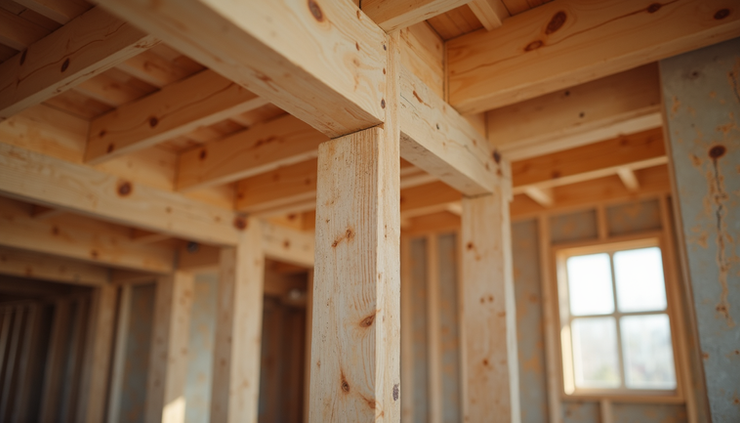
The primary role of materials in construction is to provide strength and support. Quality materials have consistent properties that meet or exceed building standards. For example, high-grade steel beams resist bending and corrosion better than cheaper alternatives. Similarly, premium concrete mixes offer greater compressive strength and resist cracking.
Choosing quality materials means the structure can withstand environmental stresses such as wind, rain, and temperature changes. This reduces the risk of damage over time and extends the lifespan of the building. For instance, homes built with treated lumber last longer in humid climates because the wood resists rot and insect damage.
Safety Considerations
Safety is a non-negotiable aspect of any build. Materials that fail to meet quality standards can lead to structural failures, putting occupants at risk. For example, substandard electrical wiring can cause fires, while poor-quality insulation may not provide adequate fire resistance.
Using certified and tested materials ensures compliance with safety codes. This includes fire ratings, load-bearing capacities, and resistance to natural disasters like earthquakes. Builders who prioritize quality materials help protect lives and reduce liability.
Cost Efficiency Over Time
At first glance, quality materials may seem more expensive. However, they often save money in the long run. Durable materials require less maintenance and fewer repairs. For example, a roof made with high-quality shingles may cost more upfront but will last decades without replacement.
On the other hand, cheaper materials can lead to frequent fixes, increasing labor and material costs. They may also reduce energy efficiency, leading to higher utility bills. Investing in quality materials supports better insulation, airtightness, and overall energy performance.
Aesthetic Appeal and Value
The look and feel of a building depend heavily on the materials used. Quality materials offer better finishes, textures, and colors that enhance the design. For example, natural stone or high-grade wood adds warmth and character that synthetic alternatives cannot match.
Buildings constructed with quality materials also tend to retain their value better. This is important for resale or rental purposes. Buyers and tenants often associate quality materials with reliability and comfort, making the property more attractive.

Environmental Impact
Sustainable building practices increasingly emphasize the use of quality materials. High-quality materials often come from responsible sources and have longer lifespans, reducing waste. For example, certified wood from managed forests supports environmental conservation.
Additionally, quality materials can improve energy efficiency, lowering the building’s carbon footprint. Materials with good insulation properties reduce heating and cooling needs. Choosing durable materials also means fewer replacements, which means less resource consumption over time.
Practical Tips for Choosing Quality Materials
Research suppliers: Choose reputable suppliers with good reviews and certifications.
Check standards: Verify that materials meet local building codes and industry standards.
Ask for samples: Inspect samples to assess texture, color, and finish.
Consider warranties: Quality materials often come with warranties that protect your investment.
Consult professionals: Architects and engineers can recommend materials suited to your project’s needs.
Real-World Examples
A residential building in a coastal area used marine-grade stainless steel for fixtures and fasteners. This choice prevented rust and corrosion caused by salty air, saving thousands in repairs.
A commercial office building installed triple-glazed windows with quality seals. This improved energy efficiency and reduced noise pollution, creating a more comfortable workspace.
A school constructed with reinforced concrete and fire-resistant materials met strict safety codes, ensuring protection for students and staff during emergencies.
Choosing quality materials is a decision that affects every stage of a build, from construction to daily use and maintenance. It supports safety, durability, aesthetics, and environmental responsibility.
Investing in quality materials means investing in a stronger, safer, and more valuable building. When planning your next project, prioritize materials that meet high standards and suit your specific needs. This approach will pay off in the long term with fewer problems and greater satisfaction.



Comments