
Modern Construction Trends You Should Know
Construction is evolving fast, driven by new technologies, materials, and changing priorities. Staying updated on modern construction trends helps builders, architects, and homeowners make smarter choices. This post highlights key trends shaping the industry today, from sustainable building to digital tools that improve efficiency.
Sustainable Building Materials and Practices
Sustainability is no longer optional in construction. Builders increasingly use eco-friendly materials that reduce environmental impact. Examples include:
Cross-laminated timber (CLT): A strong, renewable wood product that replaces concrete and steel in many projects.
Recycled steel and concrete: Using recycled materials cuts waste and lowers carbon emissions.
Low-VOC paints and finishes: These improve indoor air quality by reducing harmful chemicals.
Green building certifications like LEED and WELL encourage sustainable design and construction. Projects that meet these standards often save energy and water, reduce waste, and create healthier spaces.
Smart Buildings and Automation
Technology is transforming how buildings operate. Smart buildings use sensors, automation, and data analytics to improve comfort, safety, and energy efficiency. Some common features include:
Automated lighting and HVAC systems that adjust based on occupancy and weather.
Security systems with facial recognition and remote monitoring.
Predictive maintenance that detects equipment issues before failures occur.
These technologies reduce operating costs and enhance user experience. For example, smart thermostats can cut heating and cooling bills by up to 20%.
Modular and Prefabricated Construction
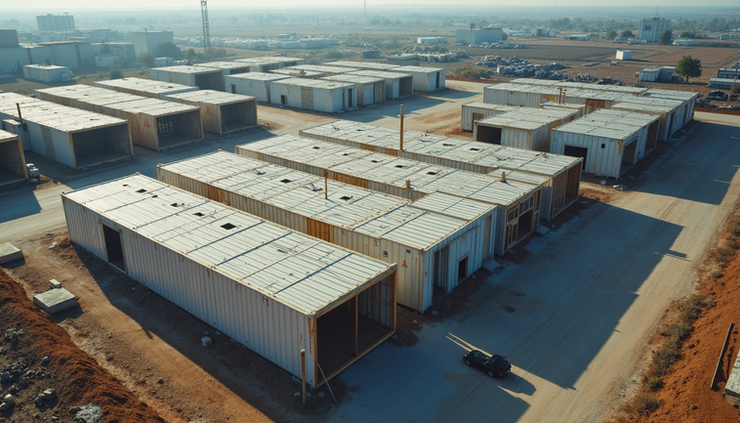
Modular construction involves assembling building components off-site in a factory, then transporting them to the site for quick installation. This approach offers several benefits:
Faster project timelines since site work and building fabrication happen simultaneously.
Reduced waste and improved quality control in factory settings.
Lower labor costs and less disruption at the construction site.
Prefabricated homes and commercial buildings are gaining popularity, especially in urban areas where space and time are limited.
Energy Efficiency and Renewable Energy Integration
Energy efficiency is a top priority in modern construction. New buildings often include:
High-performance insulation and windows to minimize heat loss.
Energy-efficient appliances and lighting.
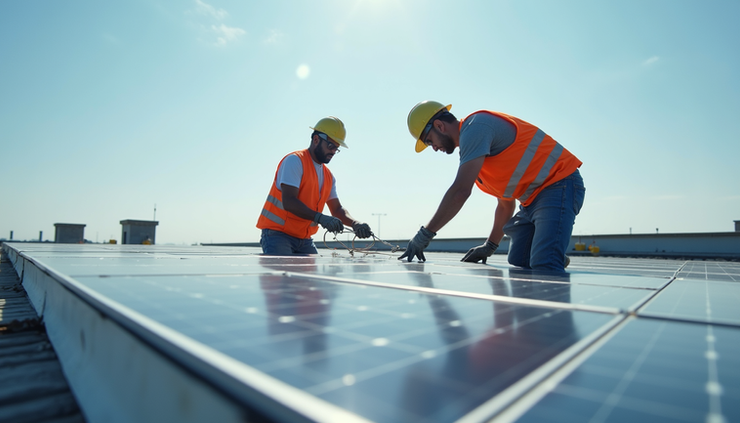
Solar panels and battery storage systems to generate and store renewable energy on-site.
Net-zero energy buildings, which produce as much energy as they consume, are becoming more common. For example, the Bullitt Center in Seattle is designed to operate entirely on renewable energy, showcasing what’s possible with current technology.
Use of Building Information Modeling (BIM)
Building Information Modeling (BIM) is a digital tool that creates detailed 3D models of buildings. It helps teams collaborate and plan more effectively by:
Visualizing the entire project before construction begins.
Detecting design conflicts early to avoid costly mistakes.
Managing schedules, budgets, and materials more efficiently.
BIM adoption is growing worldwide, improving project outcomes and reducing delays.
Focus on Health and Wellness
Post-pandemic, health and wellness have become central to building design. Trends include:
Improved ventilation systems that bring in more fresh air.
Use of materials that reduce allergens and toxins.
Incorporation of natural light and biophilic design elements like indoor plants.
These features create healthier indoor environments, which can boost productivity and well-being.
Conclusion
Modern construction trends reflect a shift toward smarter, greener, and faster building methods. Sustainable materials, smart technology, modular construction, and energy efficiency are reshaping the industry. Embracing these trends helps create buildings that are better for people and the planet. Whether you are a builder, architect, or homeowner, understanding these changes can guide your next project toward success. Keep exploring new tools and materials to stay ahead in this evolving field.
Comments