
Planning Your Dream Home the Right Way
Building your dream home is an exciting journey, but it can quickly become overwhelming without a clear plan. Many people jump into decisions without fully understanding what they want or need, leading to costly changes and frustration later. Taking the time to plan carefully helps you create a home that fits your lifestyle, budget, and future goals.
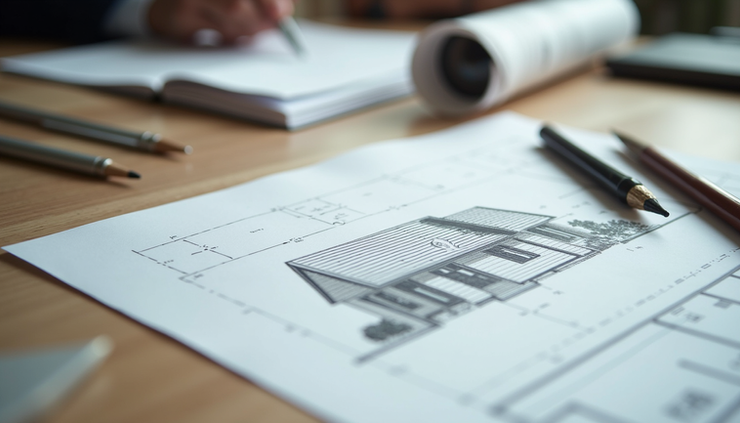
Define Your Priorities and Lifestyle Needs
Start by listing what matters most to you in a home. Think about your daily routines, hobbies, and family needs. For example:
How many bedrooms and bathrooms do you need?
Do you want an open floor plan or separate rooms?
Is a home office or gym important?
Do you prefer a large kitchen for entertaining?
Will you need space for pets or children to play?
Knowing your priorities helps you avoid unnecessary features and focus on what truly adds value to your life. It also guides your architect or builder to design a space that feels natural and comfortable.
Set a Realistic Budget and Plan for Costs
A clear budget is essential. Many people underestimate the total cost of building a home, which includes:
Land purchase
Construction materials and labor
Permits and inspections
Interior finishes and appliances
Landscaping and outdoor features
Add a contingency fund of at least 10-15% to cover unexpected expenses. Research local building costs and get multiple quotes before committing. This approach prevents surprises and keeps your project on track financially.
Choose the Right Location
Location affects your daily life and home value. Consider factors like:
Proximity to work, schools, and amenities
Neighborhood safety and community vibe
Access to public transportation and roads
Future development plans in the area
Visit potential sites at different times of day to get a feel for noise, traffic, and sunlight. A well-chosen location enhances your lifestyle and investment.
Work with Professionals You Trust
Hiring experienced professionals makes a big difference. Look for:
Architects who listen and understand your vision
Builders with good reputations and transparent pricing
Interior designers who can help with finishes and layout
Ask for references and review past projects. Clear communication and trust reduce stress and improve results.

Plan for Energy Efficiency and Sustainability
Incorporate energy-saving features to reduce costs and environmental impact. Consider:
Proper insulation and high-quality windows
Solar panels or renewable energy sources
Energy-efficient appliances and lighting
Water-saving fixtures and rainwater harvesting
These choices may increase upfront costs but save money over time and increase your home’s resale value.
Think About Future Needs and Flexibility
Your dream home should adapt as your life changes. Plan spaces that can serve multiple purposes, such as:
A guest room that doubles as a home office
Flexible living areas that can expand or contract
Storage solutions for growing families
This flexibility helps your home stay functional and comfortable for years.
Final Touches and Personalization
Once the main structure is planned, focus on details that make your home unique:
Choose colors and materials that reflect your style
Add custom features like built-in shelves or a fireplace
Plan outdoor spaces like patios, gardens, or decks
These elements create a sense of belonging and enjoyment.
Planning your dream home carefully saves time, money, and stress. By defining your needs, setting a budget, choosing the right location, and working with trusted professionals, you build a home that fits your life now and in the future. Start with a clear plan, and your dream home will become a rewarding reality.


Comments