Evening Yoga for Better Sleep
Struggling to fall asleep or stay asleep through the night is a common problem. Many people toss and turn, feeling restless and anxious as bedtime approaches. One effective way to improve sleep quality is through evening yoga. This gentle practice calms the mind, relaxes the body, and prepares you for a restful night. This post explores how evening yoga can help you sleep better, with practical tips and simple poses to try.
How Evening Yoga Supports Better Sleep
Yoga combines physical movement, breathing exercises, and mindfulness. When practiced in the evening, it helps reduce stress hormones like cortisol and activates the parasympathetic nervous system, which promotes relaxation. This shift lowers heart rate and blood pressure, making it easier to fall asleep.
Research shows that people who practice yoga regularly report better sleep quality and less insomnia. The slow, deliberate movements stretch tight muscles and release tension built up during the day. Breathing techniques calm the nervous system and quiet racing thoughts.
Evening yoga also creates a bedtime routine that signals to your brain it’s time to wind down. This consistency helps regulate your internal clock, improving sleep patterns over time.
Best Evening Yoga Poses for Relaxation
Choose gentle poses that focus on stretching and calming the body rather than intense or energizing movements. Hold each pose for 3 to 5 minutes, breathing deeply and steadily.
Child’s Pose (Balasana)
Kneel on the floor, sit back on your heels, and stretch your arms forward. Rest your forehead on the mat. This pose gently stretches the back and hips while promoting a sense of safety and calm.
Legs Up the Wall (Viparita Karani)
Lie on your back and extend your legs up against a wall. Keep your arms relaxed by your sides. This inversion encourages blood flow away from the legs and reduces swelling, helping your body relax deeply.
Seated Forward Fold (Paschimottanasana)
Sit with your legs extended straight in front of you. Slowly bend forward from the hips, reaching toward your feet. This pose stretches the spine and hamstrings, releasing tension in the back.
Reclining Bound Angle Pose (Supta Baddha Konasana)
Lie on your back, bring the soles of your feet together, and let your knees fall open. Place your hands on your belly or by your sides. This heart-opening pose encourages deep breathing and relaxation.
Cat-Cow Stretch (Marjaryasana-Bitilasana)
On hands and knees, alternate arching your back toward the ceiling and dipping it toward the floor. This movement warms up the spine and releases stiffness.
Try to avoid poses that require balance or intense core engagement, as they can stimulate your body and make it harder to relax.
Creating a Relaxing Evening Yoga Routine
Consistency is key to seeing benefits from evening yoga. Here are some tips to build a calming routine:
Set a regular time
Practice yoga about 30 to 60 minutes before your intended bedtime. This timing helps your body transition smoothly from activity to rest.
Create a peaceful environment
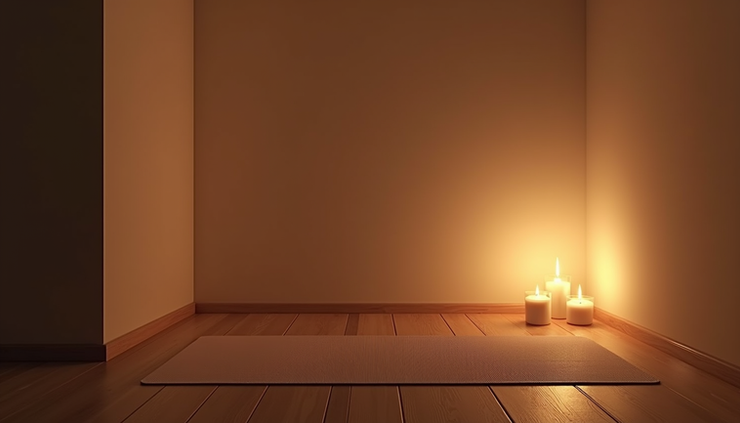
Dim the lights, use soft music or silence, and keep the room at a comfortable temperature. Avoid screens and distractions.
Focus on breath
Use slow, deep breathing throughout your practice. Try inhaling for a count of four, holding for four, and exhaling for six. This breathing pattern activates relaxation.
Combine with other calming habits
After yoga, consider reading a book, journaling, or drinking herbal tea to further prepare for sleep.
Listen to your body
If a pose feels uncomfortable, modify or skip it. The goal is gentle relaxation, not strain.

Additional Benefits of Evening Yoga
Besides improving sleep, evening yoga offers other advantages:
Reduces anxiety and stress
The mindful focus on breath and movement helps clear the mind and reduce worry.
Improves flexibility and posture
Gentle stretching releases muscle tightness accumulated during the day.
Supports digestion
Certain poses stimulate the digestive system, which can aid in better sleep.
Enhances mood
Yoga encourages the release of endorphins, which can lift your mood and create a sense of well-being.
Tips for Beginners Starting Evening Yoga
If you are new to yoga, start slow and keep your expectations realistic. Here are some pointers:
Use online videos or apps designed for bedtime yoga to guide you.
Wear comfortable clothing that allows free movement.
Use props like blankets or cushions to support your body.
Practice in a quiet space where you won’t be disturbed.
Be patient. It may take several weeks to notice improvements in sleep.


Comments